Traditional Fuorescent Lamp
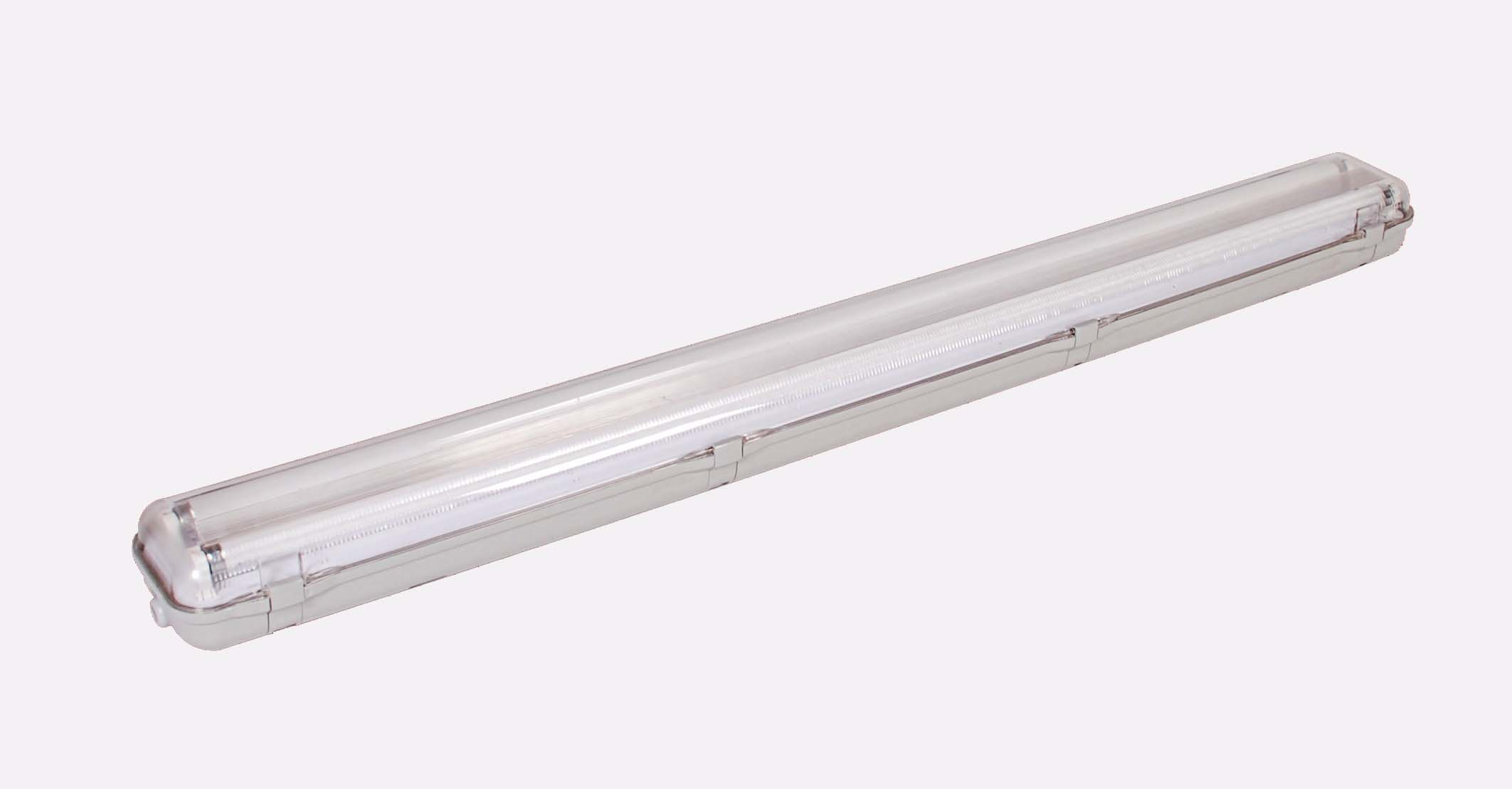
The traditional fluorescent lamp is a type of gas - discharge lamp that has been widely used for decades for general and commercial lighting purposes.
It consists of a long, tubular glass envelope. Inside the envelope, there is a small amount of mercury vapor and an inert gas such as argon. The glass envelope is usually coated on the inside with a phosphor powder. At each end of the tube, there are electrodes. The electrodes are made of a material like tungsten and are designed to emit electrons when a voltage is applied.
The lamp is usually fitted into a fixture that includes a ballast. The ballast is a crucial component that regulates the current flowing through the lamp. There are two main types of ballasts: magnetic ballasts and electronic ballasts. Magnetic ballasts are older and heavier, using coils to control the current. Electronic ballasts are more modern and efficient, using electronic components to provide better control of the lamp's operation.
When the lamp is turned on, an initial voltage is applied across the electrodes. This causes the electrons to be emitted from the electrodes into the tube. The electrons then collide with the mercury atoms in the mercury vapor. These collisions excite the mercury atoms, causing them to move to a higher - energy state. As the excited mercury atoms return to their ground state, they emit ultraviolet (UV) light.
The UV light then strikes the phosphor coating on the inside of the glass envelope. The phosphor absorbs the UV light and re - emits it as visible light. The specific color of the light depends on the type of phosphor used. Different phosphor mixtures can produce a wide range of colors, from warm - white to cool - white light.
Luminous Efficacy: Traditional fluorescent lamps have relatively high luminous efficacy. They are more efficient than incandescent bulbs in terms of light output per watt of power consumed. A typical fluorescent lamp can have a luminous efficacy of around 50 - 100 lumens per watt. For example, a 40 - watt fluorescent lamp can produce around 2000 - 4000 lumens of light.
Color Temperature and Color Rendering: The color temperature of fluorescent lamps can vary widely. They can produce a warm - white light with a color temperature around 2700 - 3000K, which gives a cozy and inviting feel similar to incandescent light. Or, they can produce a cool - white light with a color temperature around 4000 - 6000K, which provides a more vivid and bright illumination. The color rendering index (CRI) of fluorescent lamps can range from 60 - 90. A higher CRI means better color reproduction, and many fluorescent lamps are suitable for applications where color accuracy is important.
Lamp Life: The lifespan of a traditional fluorescent lamp is usually around 7000 - 20,000 hours. This is longer than that of incandescent bulbs but shorter than some modern lighting technologies like LEDs. The life of the lamp can be affected by factors such as the number of times it is turned on and off, the quality of the ballast, and the operating environment.
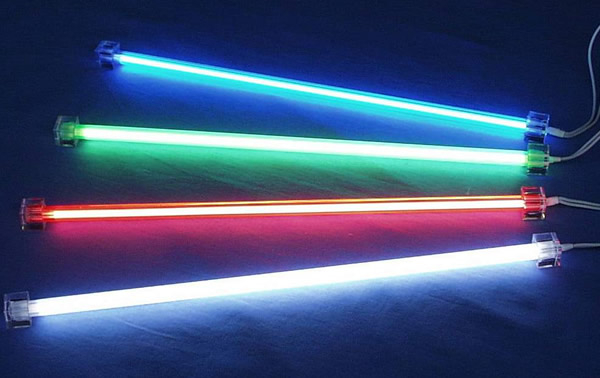
Size and Shape: Fluorescent lamps come in various sizes and shapes. The most common is the linear tube shape, with lengths typically ranging from a few inches to several feet. There are also compact fluorescent lamps (CFLs) that are designed to fit into standard incandescent bulb sockets. CFLs have a more coiled or folded shape to reduce their overall size.
Commercial Lighting: Fluorescent lamps are widely used in commercial buildings such as offices, schools, hospitals, and retail stores. In offices, they provide a bright and even illumination for workspaces, reducing eye strain. In schools, they are used to light classrooms and hallways. In hospitals, they are used in patient rooms and corridors, providing a well - lit environment for medical staff and patients. In retail stores, they can be used to showcase products with a bright and consistent light.
Industrial Lighting: In industrial settings, fluorescent lamps are used to light work areas, storage areas, and assembly lines. Their high luminous efficacy makes them suitable for illuminating large areas where a lot of light is needed. They can also provide a relatively glare - free light, which is important for workers who need to focus on detailed tasks.
Residential Lighting: In homes, fluorescent lamps are used in kitchens, basements, and utility rooms. The long - tube fluorescent lamps are often used in garages and workshops to provide a bright light for working on projects. Compact fluorescent lamps have also been popular as a more energy - efficient alternative to incandescent bulbs for general lighting in living rooms, bedrooms, and hallways.
Energy - Efficiency: As mentioned earlier, they are more energy - efficient than incandescent bulbs, which means they can save energy and reduce electricity costs over time.
Long Lamp Life: Their relatively long lifespan reduces the frequency of lamp replacement, which can be a convenience in applications where access to the lamps for replacement is difficult.
Good Color Rendering: Many fluorescent lamps have a good CRI, allowing for accurate color representation, which is beneficial in applications such as art galleries, clothing stores, and offices where color perception matters.
Flickering: Some fluorescent lamps can exhibit flickering, especially as they age or if the ballast is not of good quality. Flickering can cause eye strain and headaches, and in some cases, it can even trigger seizures in people with photosensitive epilepsy.
Mercury Content: Fluorescent lamps contain mercury, which is a toxic substance. If the lamp breaks, it can release mercury into the environment. Special care must be taken during disposal to prevent mercury pollution.
Warm - up Time: Traditional fluorescent lamps may have a short warm - up time, during which the light output gradually increases to its full brightness. This can be a drawback in applications where immediate full - brightness light is required.