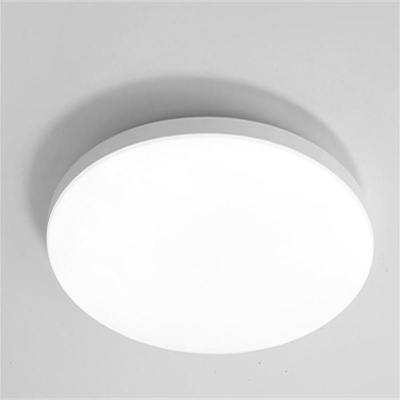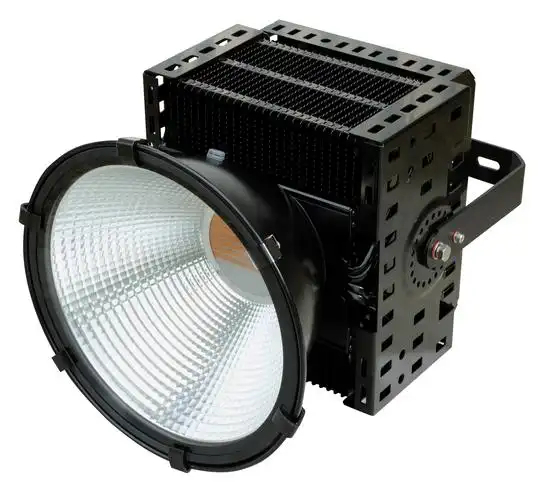
LED Factory Lights
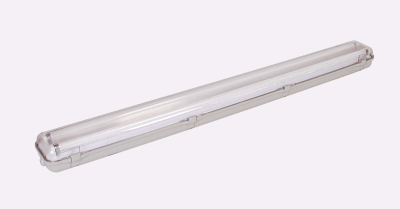
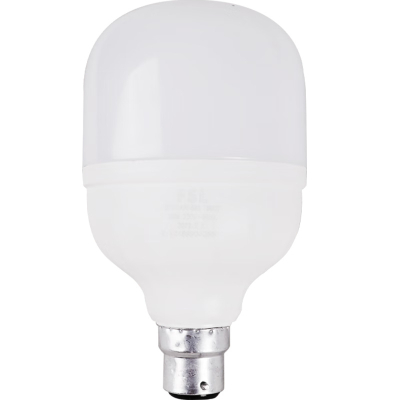
LED factory lights are lighting fixtures specifically designed for industrial settings. They utilize light - emitting diode (LED) technology to provide illumination that meets the demanding requirements of factories. These lights play a crucial role in ensuring a well - lit and safe working environment, facilitating efficient production processes, and enhancing the overall productivity of the factory.
The core of LED factory lights is the LED module. It consists of multiple LED chips that are typically mounted on a printed circuit board (PCB). The LED chips are semiconductor devices that emit light through electroluminescence. The number of LED chips in a module can vary depending on the desired light output and the specific application. High - power LED chips are often used in factory lights to provide sufficient brightness. The arrangement of the chips on the PCB is carefully designed to ensure uniform light distribution. Some LED modules also incorporate phosphor coatings to adjust the color of the light emitted.
Lenses: Lenses are an integral part of the optical system. They are used to control the direction and spread of the light. Convex lenses can be used to diffuse the light and cover a wide area, which is suitable for general factory floor illumination. Concave lenses, on the other hand, can focus the light, creating a spotlight effect that is useful for highlighting specific work areas or machinery. Anti - glare lenses are also available to reduce the discomfort caused by bright light sources and improve the visibility for workers.
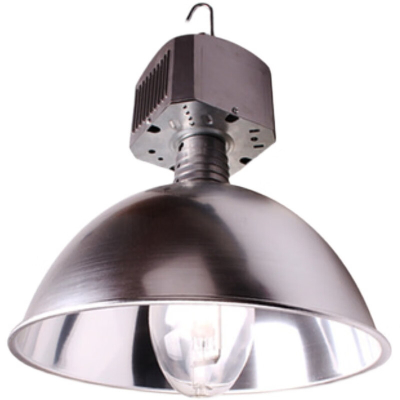
Reflectors: Reflectors are usually made of highly reflective materials such as polished aluminum. Their shape and design influence the light distribution pattern. Parabolic reflectors can direct the light in a parallel beam, increasing the intensity and reach of the light. Elliptical reflectors can focus the light more precisely. The combination of lenses and reflectors allows for a wide range of lighting patterns to be achieved, depending on the needs of the factory.
LEDs generate heat during operation, and efficient heat dissipation is essential to maintain their performance and lifespan. A heat sink is a common component used to dissipate heat. It is usually made of aluminum due to its high thermal conductivity. The heat sink's design often includes fins or other structures to increase the surface area for heat transfer to the surrounding air. Some advanced LED factory lights may also incorporate cooling fans or liquid - cooling systems to enhance heat dissipation, especially in high - power applications.
The housing of LED factory lights serves multiple functions. It protects the internal components from dust, moisture, and mechanical damage. In a factory environment, there are often particles in the air, and the housing prevents these from entering and affecting the LED modules and other electrical components. The housing is typically made of durable materials such as metal or high - impact plastic. It also provides a means of mounting the light fixture to the ceiling, walls, or other structures in the factory. Mounting brackets or fixtures are usually included, and they may have adjustable features to allow for the proper positioning and aiming of the lights.
LED factory lights require a reliable power supply to operate. The power supply unit converts the alternating current (AC) from the electrical grid to the direct current (DC) needed by the LED modules. It also regulates the voltage and current to ensure stable and consistent light output. Many LED factory lights come with a control unit that enables various functions. This can include dimming capabilities, allowing the light intensity to be adjusted according to the specific requirements of the work area or the time of day. Some control units also support color - changing functions, enabling the adjustment of the color temperature of the light to create different lighting atmospheres. Advanced control systems may use protocols such as DMX (Digital Multiplex) or DALI (Digital Addressable Lighting Interface) to enable more complex lighting scenarios and remote control.
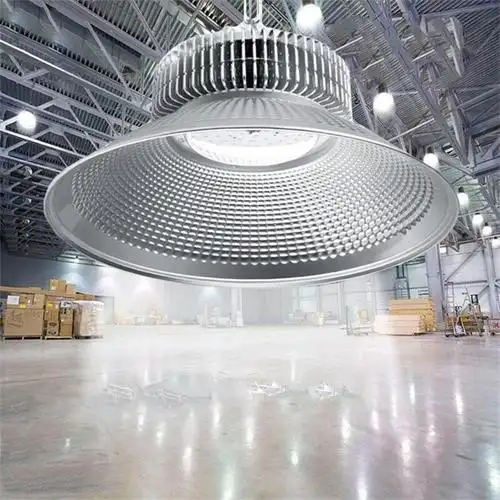
When the LED factory light is connected to a power source, the power supply unit first converts the AC voltage to the appropriate DC voltage and current. This electrical energy is then supplied to the LED modules. As the current passes through the LED chips, electrons and holes recombine in the semiconductor material of the chips. This recombination process releases energy in the form of photons, which results in the emission of light.
The optical system, including the lenses and reflectors, then shapes and directs the light to the desired areas of the factory. The heat dissipation system continuously removes the heat generated by the LEDs to keep them operating at an optimal temperature. The control unit monitors and adjusts the power supply to the LED modules, allowing for functions such as dimming, color - changing, or on - off control as needed.
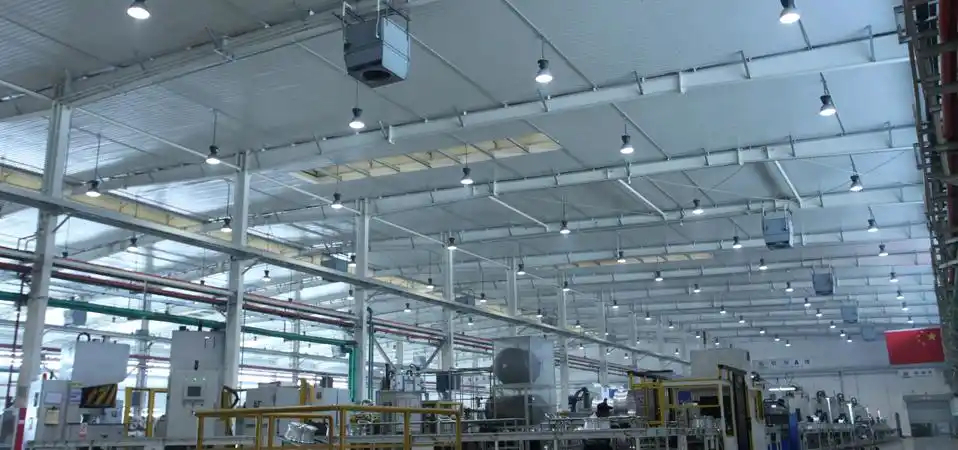
LED factory lights are highly energy - efficient. Compared to traditional lighting sources such as fluorescent or high - intensity discharge (HID) lamps, LEDs can convert a much larger proportion of electrical energy into light energy. The luminous efficacy of LED factory lights can range from 100 to 200 lumens per watt or more. This means that for the same amount of light output, LED lights consume significantly less power, leading to substantial energy savings for the factory. For example, in a large - scale factory, replacing traditional lighting with LED factory lights can result in a significant reduction in electricity bills.
LEDs have a long lifespan, typically ranging from 30,000 to 50,000 hours or more. This is far longer than traditional lighting options such as incandescent bulbs (with a lifespan of around 1,000 - 2,000 hours) or fluorescent lamps (7,000 - 20,000 hours). The long lifespan of LED factory lights reduces the frequency of lamp replacement. This not only saves on the cost of replacement lamps and labor but also minimizes the disruption to factory operations caused by maintenance activities. It is especially beneficial in factories where access to lighting fixtures for replacement can be difficult or time - consuming.
LED factory lights provide high - quality illumination with excellent color rendering. The color rendering index (CRI) of LED lights can be 80 or higher. A high CRI means that the lights can accurately reproduce the colors of objects in the factory, such as the color of products, work surfaces, and machinery. This is crucial for tasks that require color - discrimination, such as quality - control inspections, color - matching in manufacturing processes, and reading color - coded labels. The light output of LED factory lights is also more consistent, with less flickering and better glare control, which improves the visibility and comfort for factory workers.
LEDs can turn on instantly without the need for a warm - up period, which is a distinct advantage in factory settings. In situations where quick lighting responses are necessary, such as during power outages or when machinery is activated, LED factory lights can provide immediate illumination. Additionally, LED factory lights have excellent dimming capabilities. The light intensity can be adjusted smoothly over a wide range, allowing for energy - saving during non - peak production times or for creating different lighting levels for various tasks. For example, a dimmer light can be used for background illumination, while a brighter light can be used for detailed work or inspections.
LED factory lights are designed to withstand the harsh conditions of industrial environments. Their solid - state design, without fragile filaments or glass envelopes like some other lighting technologies, makes them more resistant to shock, vibration, and temperature fluctuations. The durable housing and effective heat - dissipation systems ensure that they can operate reliably in dusty, humid, and corrosive environments. This durability reduces the risk of damage to the lighting fixtures and increases their overall reliability and longevity.
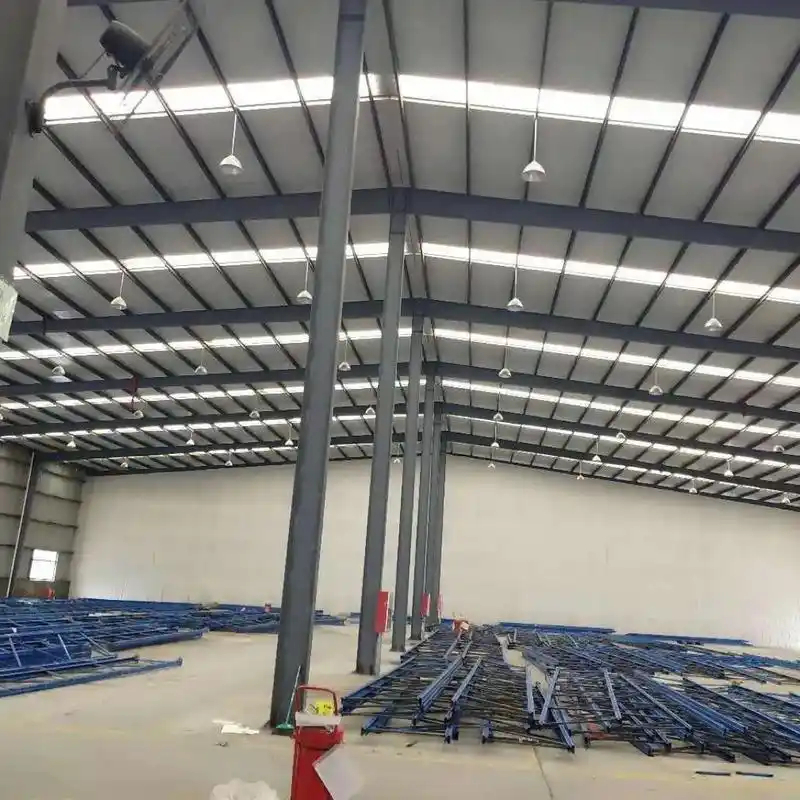
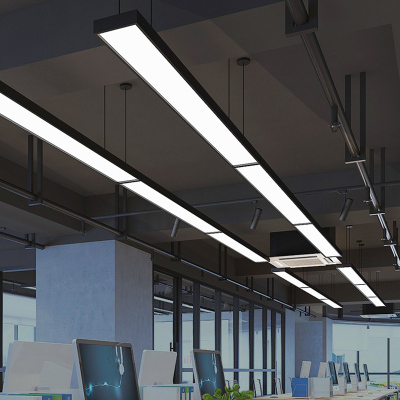
LED factory lights are used to provide overall illumination for the factory floor, including production areas, aisles, and storage spaces. They can be installed on the ceiling or walls to ensure a well - lit environment for workers to move around, operate machinery, and handle materials. The even distribution of light helps to reduce shadows and provides a comfortable and safe working environment.
In assembly and production lines, precise and focused illumination is essential. LED factory lights with adjustable lenses and reflectors can be used to direct light onto specific workstations or the parts being assembled. This helps workers to see the details clearly, improving the quality and speed of the assembly process. The high - CRI light also enables accurate color - recognition for tasks such as checking product components or identifying different parts.
In warehouses and storage facilities, LED factory lights are used to illuminate the aisles between storage racks and the storage areas themselves. The bright and clear light helps workers to quickly locate products, operate forklifts and other material - handling equipment safely, and identify any potential hazards such as damaged goods or obstructions. The long - range and uniform light distribution of LED lights is particularly beneficial in large - scale storage areas.
In quality - control and inspection areas, the high - CRI and consistent light output of LED factory lights are crucial. These lights provide accurate color representation and sufficient illumination for inspectors to examine products for defects, measure dimensions, or check for proper finishes. The ability to adjust the light intensity and direction also allows for a more detailed inspection of products.