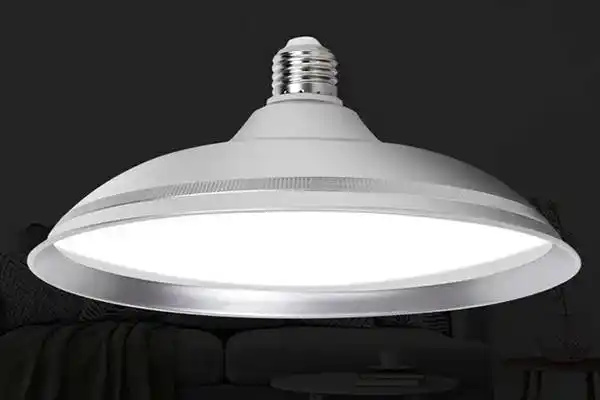
Accent Lighting Fixtures
Accent lighting fixtures are a specialized category of lighting designed to draw attention to specific objects, areas, or architectural features. Their primary purpose is to create a visual focus, adding depth, drama, and interest to a space. By highlighting particular elements, such as a piece of art, a decorative object, or a unique architectural detail, accent lighting can transform an ordinary area into a visually captivating one.
Track lighting consists of a track that can be mounted on the ceiling or wall and individual light fixtures that attach to the track. The track allows for easy adjustment of the position and direction of the lights. This type of lighting is highly versatile and can be used to spotlight multiple objects or areas in a room. For example, in a gallery or a retail store, track lighting can be adjusted to highlight different artworks or merchandise displays. The fixtures on the track can have different beam angles, from narrow spotlights to wider floodlights, depending on the desired effect.
Picture lights are specifically designed to illuminate paintings, photographs, or other wall - mounted art. They are usually small, wall - mounted fixtures that attach directly above or to the side of the artwork. Picture lights often have a narrow - beam angle to focus the light precisely on the art piece. Some models come with adjustable arms or shades to control the direction and intensity of the light, ensuring that the art is shown in the best possible light without causing glare or reflection on the surface of the work.
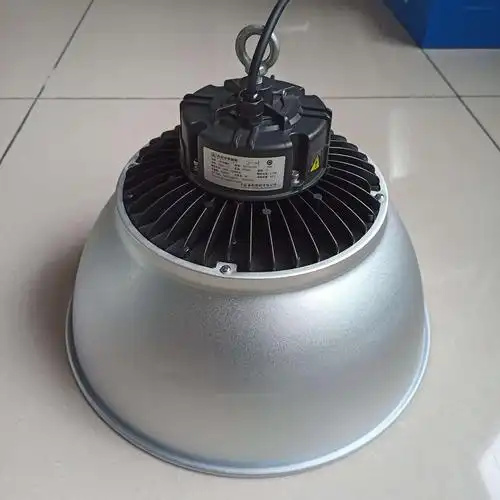
Recessed accent lights are installed into the ceiling or wall, similar to regular recessed lighting. However, they are typically designed with a more focused beam angle to provide a spotlight effect. These lights are ideal for highlighting architectural features such as columns, alcoves, or niches. In a home theater setting, recessed accent lights can be used to create a dramatic effect by highlighting the entertainment center or the screen.
Wall - washer lights are designed to evenly illuminate a vertical surface, such as a wall. They are usually mounted on the ceiling or on the floor and angled towards the wall. Wall - washers can enhance the texture and color of the wall material, whether it's stone, brick, or a painted surface. In a modern - design interior, wall - washers can be used to create a clean and uniform look, highlighting the simplicity and elegance of the architecture.
Uplights are placed on the floor or at a low level and project light upwards. They are often used to highlight tall objects such as columns, plants, or sculptures. Uplights can create a sense of grandeur and height, making objects appear more imposing. Downlights, on the other hand, are usually ceiling - mounted and direct light downwards. They can be used to spotlight specific areas on the floor, such as a rug, a display case, or a seating area.
The light source in accent lighting fixtures can vary. Light - emitting diodes (LEDs) are a popular choice due to their energy - efficiency, long lifespan, and ability to produce a focused beam. LEDs come in different color temperatures, allowing for a wide range of lighting effects. For example, a cool - white LED may be used to create a more modern and crisp look, while a warm - white LED can give a cozy and inviting feel. Some accent lighting fixtures may also use halogen bulbs, which produce a bright and clear light, ideal for highlighting details.
The optical system plays a crucial role in shaping the light beam of accent lighting fixtures. Reflectors are usually made of a highly reflective material such as polished aluminum or a reflective plastic coating. The shape and design of the reflector determine the direction and spread of the light. For example, a parabolic reflector can produce a narrow and focused beam, while a more spherical reflector may result in a wider beam. Lenses are also used to further modify the light. A convex lens can focus the light, while a diffuser lens can spread it more evenly. In picture lights and some track lighting fixtures, the lens and reflector work together to achieve the desired lighting effect on the target object.
The housing of accent lighting fixtures is designed to protect the internal components and blend with the surrounding environment. It can be made of metal, plastic, or a combination of both. The housing may have a sleek and unobtrusive design to avoid detracting from the object being highlighted. The mounting mechanism depends on the type of fixture. Track lighting has a track - mounting system that allows for easy installation and adjustment. Wall - mounted fixtures like picture lights have brackets or mounting plates that attach to the wall. Recessed lights have a housing that fits into a cut - out in the ceiling or wall and is secured with clips or other fastening devices.
Many accent lighting fixtures come with adjustment features to fine - tune the lighting effect. These can include adjustable arms, swivel heads, or movable lenses. For example, a track - lighting fixture may have a swivel head that allows the user to change the direction of the light beam. A picture light with an adjustable arm can be positioned to ensure the light hits the art at the perfect angle. These adjustment features provide flexibility and precision in highlighting the desired object or area.
The most significant advantage of accent lighting is the ability to create a strong visual impact. By highlighting specific elements, it can draw the viewer's attention and enhance the overall aesthetic of a space. For example, in a showroom, accent lighting can make a product stand out, increasing its perceived value and desirability. In a home, it can transform a simple room into a more sophisticated and interesting environment.
Accent lighting fixtures offer a high degree of flexibility. The ability to adjust the position, direction, and intensity of the light allows for customization according to the specific needs and preferences of the user. Different lighting effects can be created for different occasions or to change the mood of a space. For example, in a restaurant, the accent lighting around the dining area can be adjusted to create a more romantic atmosphere in the evenings.
These fixtures are excellent for showcasing the unique features of a building or interior design. Whether it's a historical building with ornate moldings or a modern home with a minimalist staircase, accent lighting can bring out the best in the architecture. It can also enhance the beauty of decorative objects such as sculptures, vases, or collections, making them the center of attention.
Some accent lighting fixtures, such as recessed lights and track lighting, can be more complex to install than basic lighting. Recessed lights require cutting into the ceiling or wall and proper electrical wiring. Track lighting needs to be installed accurately to ensure the track is level and the fixtures can move smoothly. Incorrect installation can lead to problems such as poor lighting distribution, electrical hazards, or damage to the fixture.
If not properly designed or adjusted, accent lighting can cause glare or over - illumination. Glare can be distracting and uncomfortable, especially when trying to view the highlighted object. Over - illumination can wash out the details of the object or create harsh shadows, defeating the purpose of the accent lighting. Careful selection of the light source, beam angle, and adjustment of the fixture are necessary to avoid these issues.
Accent lighting fixtures, especially those with advanced features such as dimmable LEDs or high - quality optical systems, can be more expensive than basic lighting fixtures. The cost of installation, including any electrical work and additional materials, can also add to the overall expense. However, the visual impact and added value they bring to a space can often justify the investment.
In art galleries and museums, accent lighting is essential for highlighting artworks and artifacts. Picture lights and track lighting are used to showcase paintings, sculptures, and other exhibits. The lighting is carefully adjusted to bring out the details and colors of the art, while also protecting it from damage caused by excessive light or heat.
Retail stores use accent lighting to draw attention to products and displays. Track lighting and downlights are commonly used to spotlight merchandise, making it more appealing to customers. In a showroom, accent lighting can enhance the presentation of furniture, electronics, or automobiles, creating a more engaging shopping environment.
In homes, accent lighting is used to enhance the beauty of the interior. It can be used to highlight architectural details such as fireplaces, built - in bookcases, or tray ceilings. Picture lights are used to display personal art collections, and uplights can add drama to a living room by highlighting tall plants or decorative columns. Accent lighting can also be used in outdoor living spaces to showcase gardens, patio furniture, or water features.